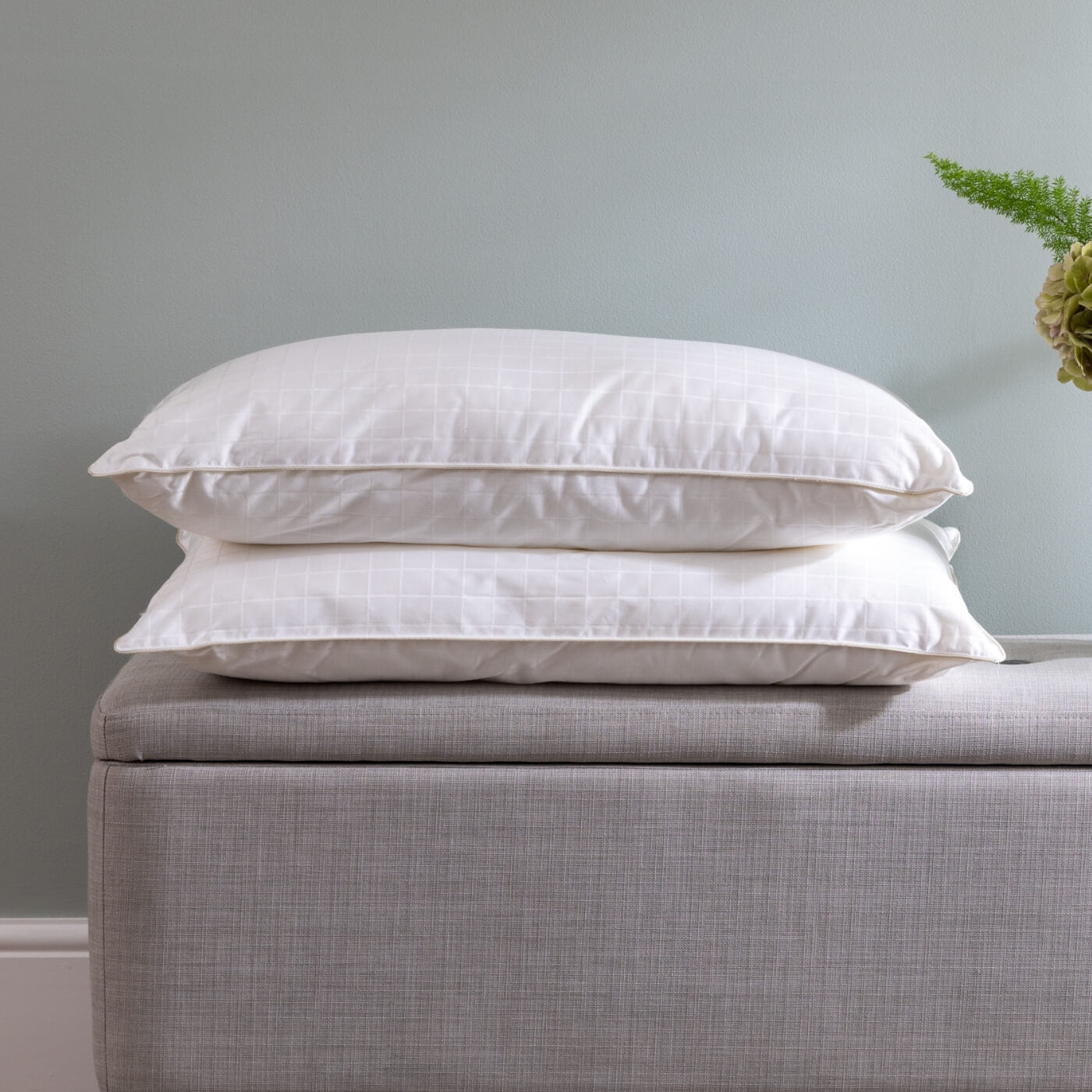
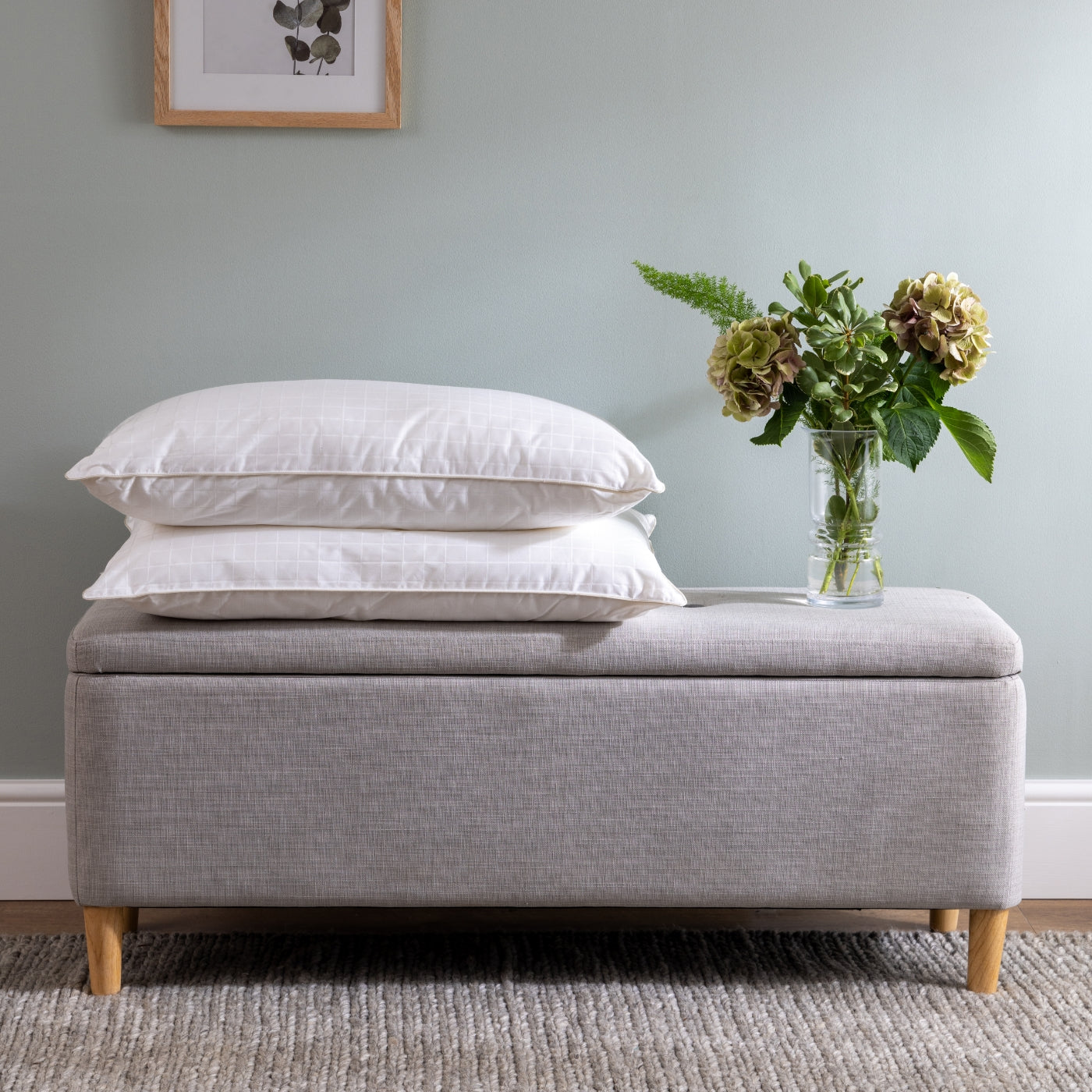
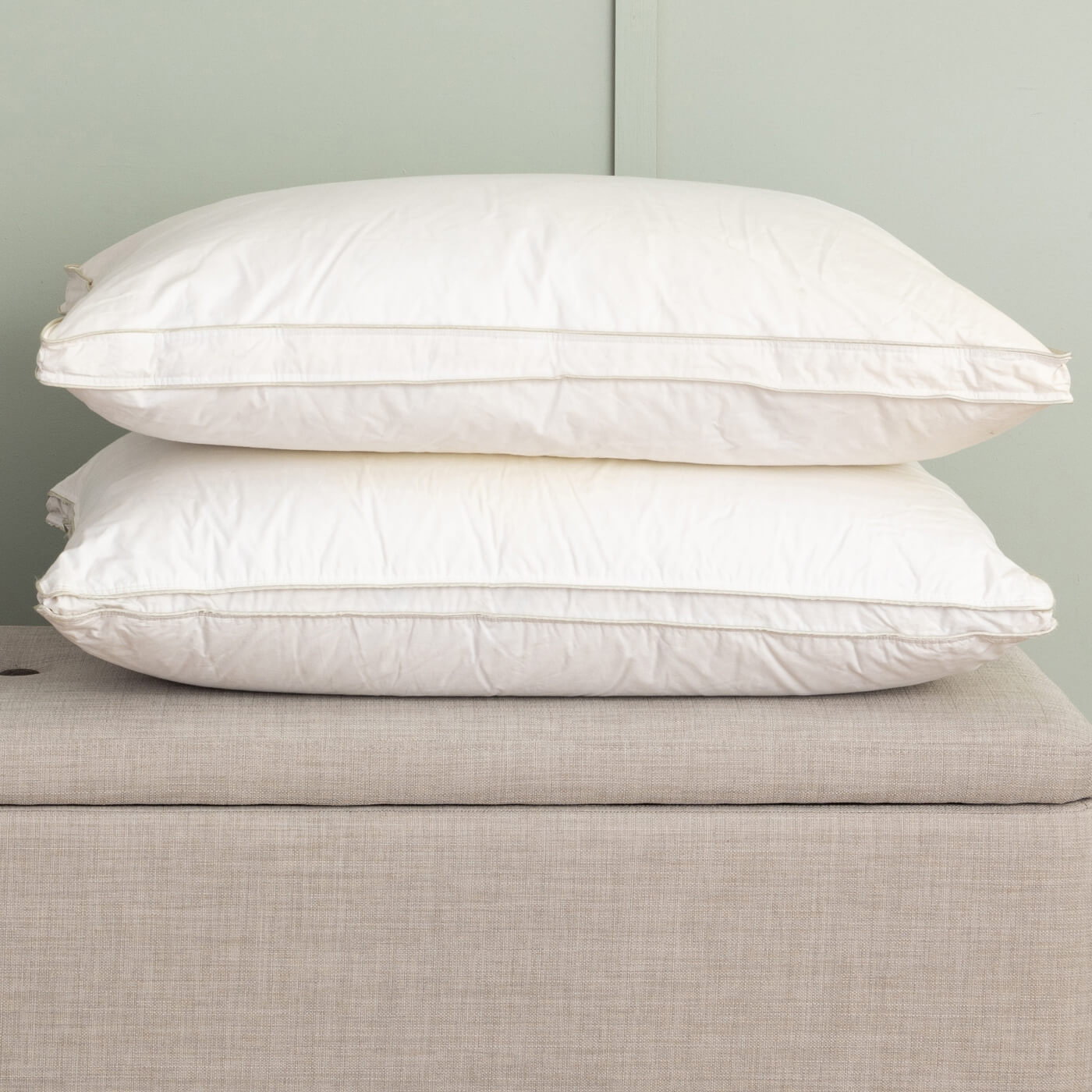
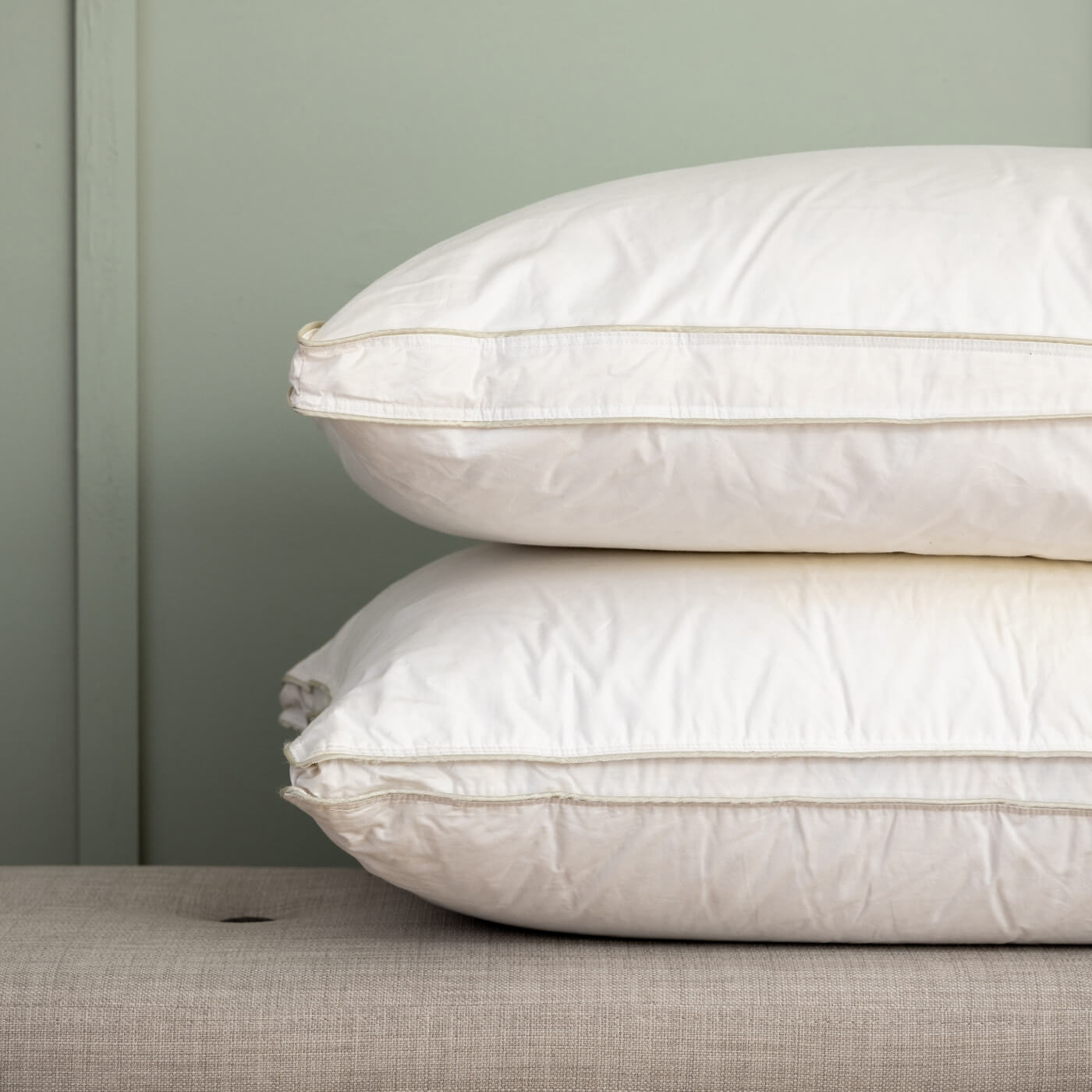
How do I choose a soft pillow?
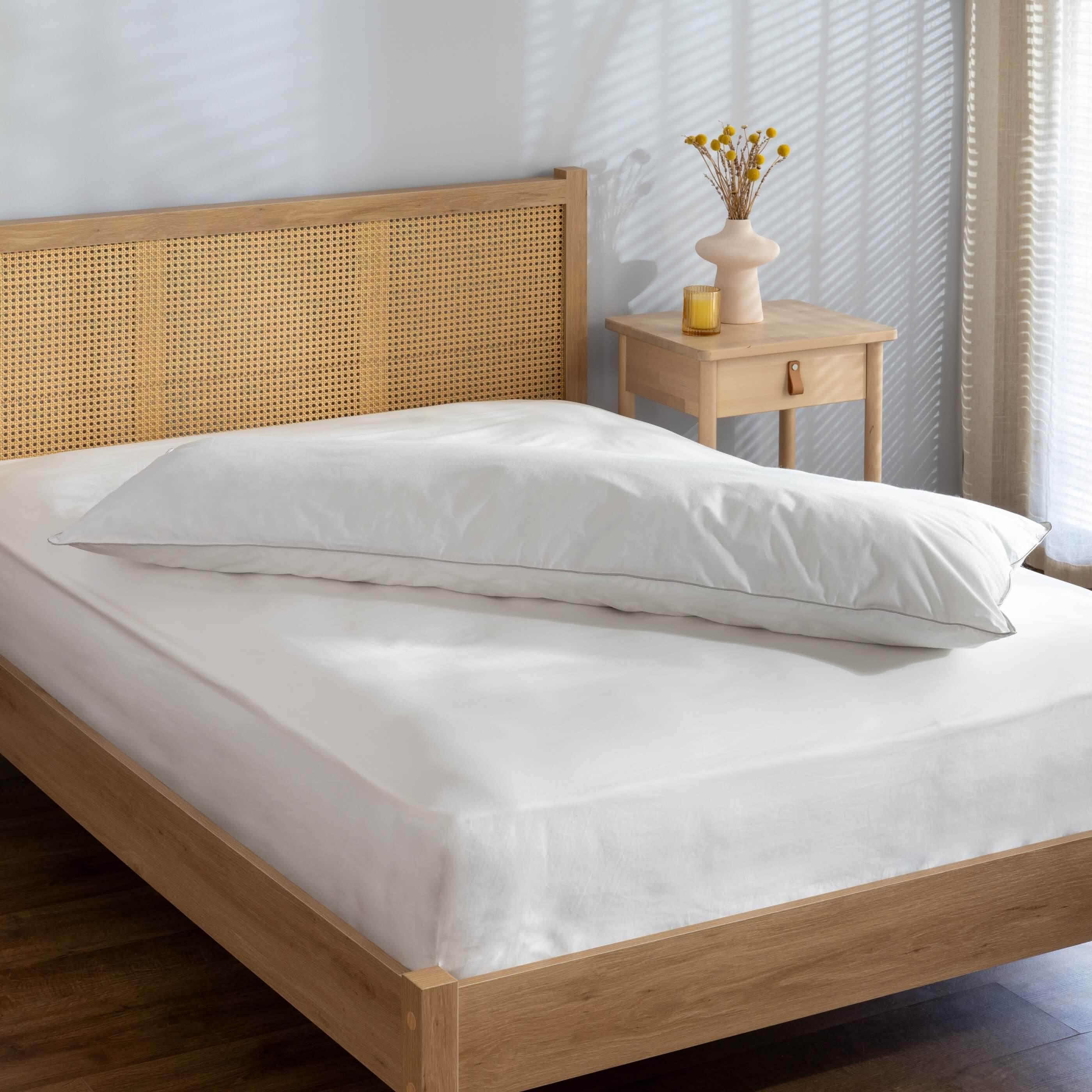
Choosing the perfect pillow can feel like a daunting task. If you're trying to choose a soft pillow, think first about what size you need. Do you need a large soft pillow for a super king bed or a regular sized pillow?
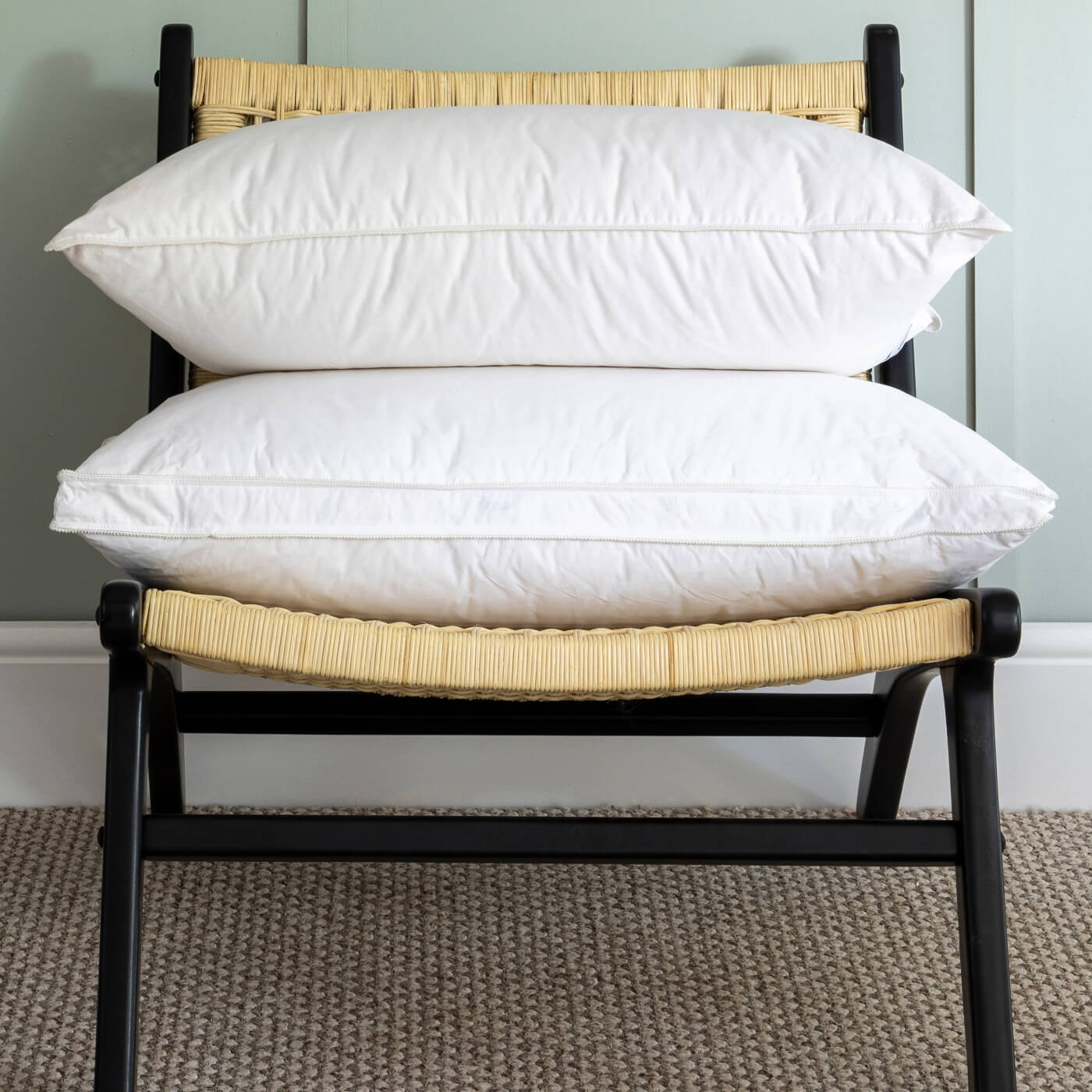
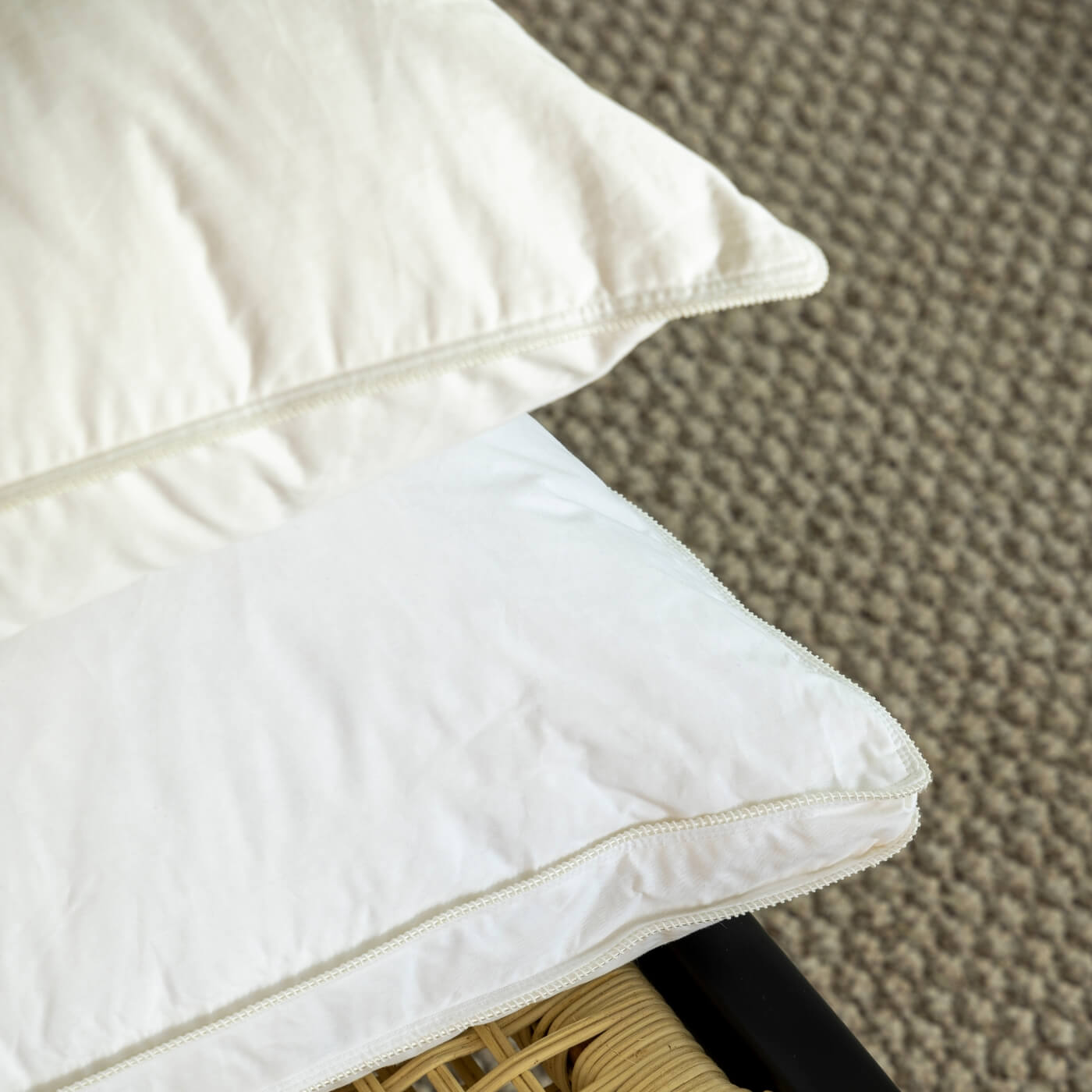
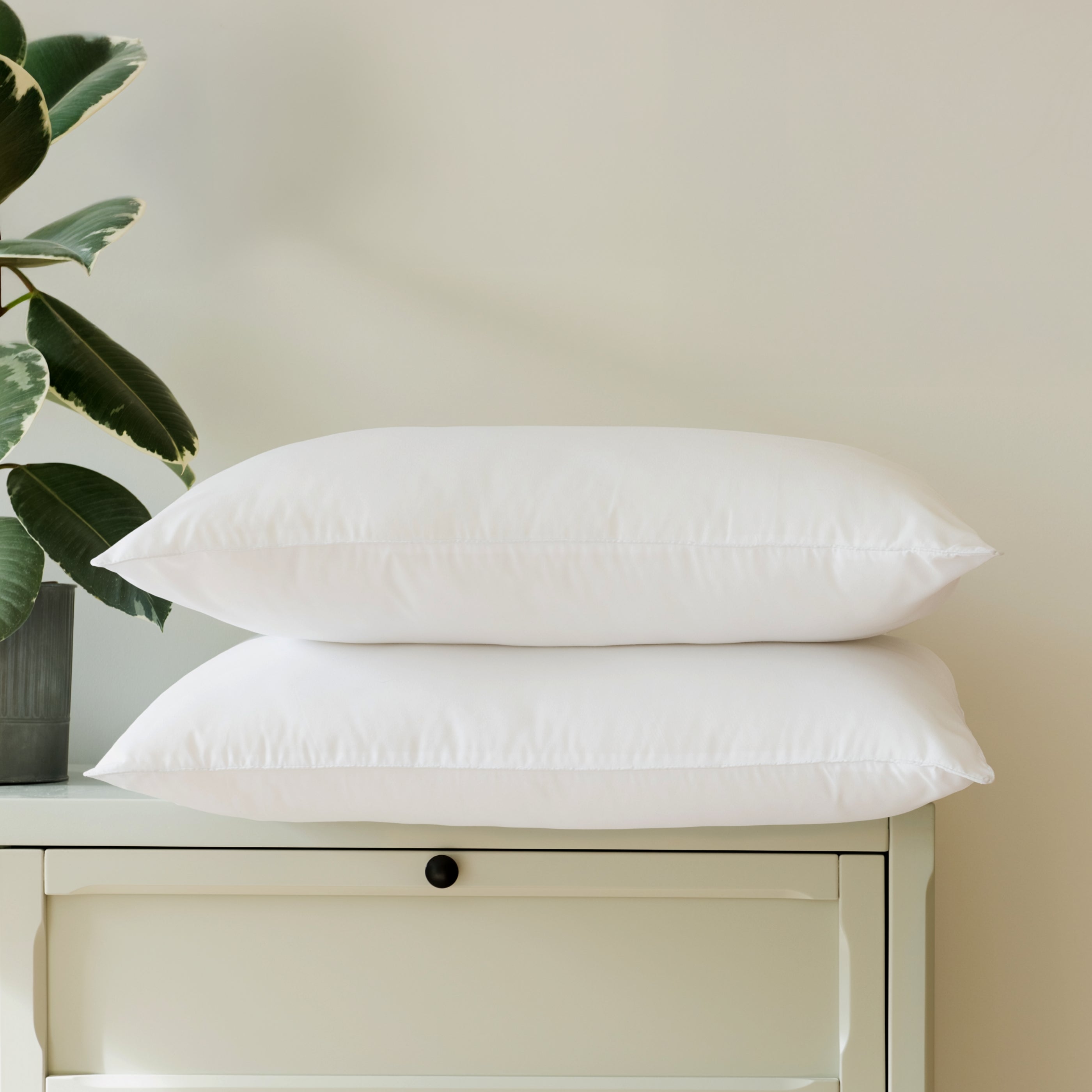
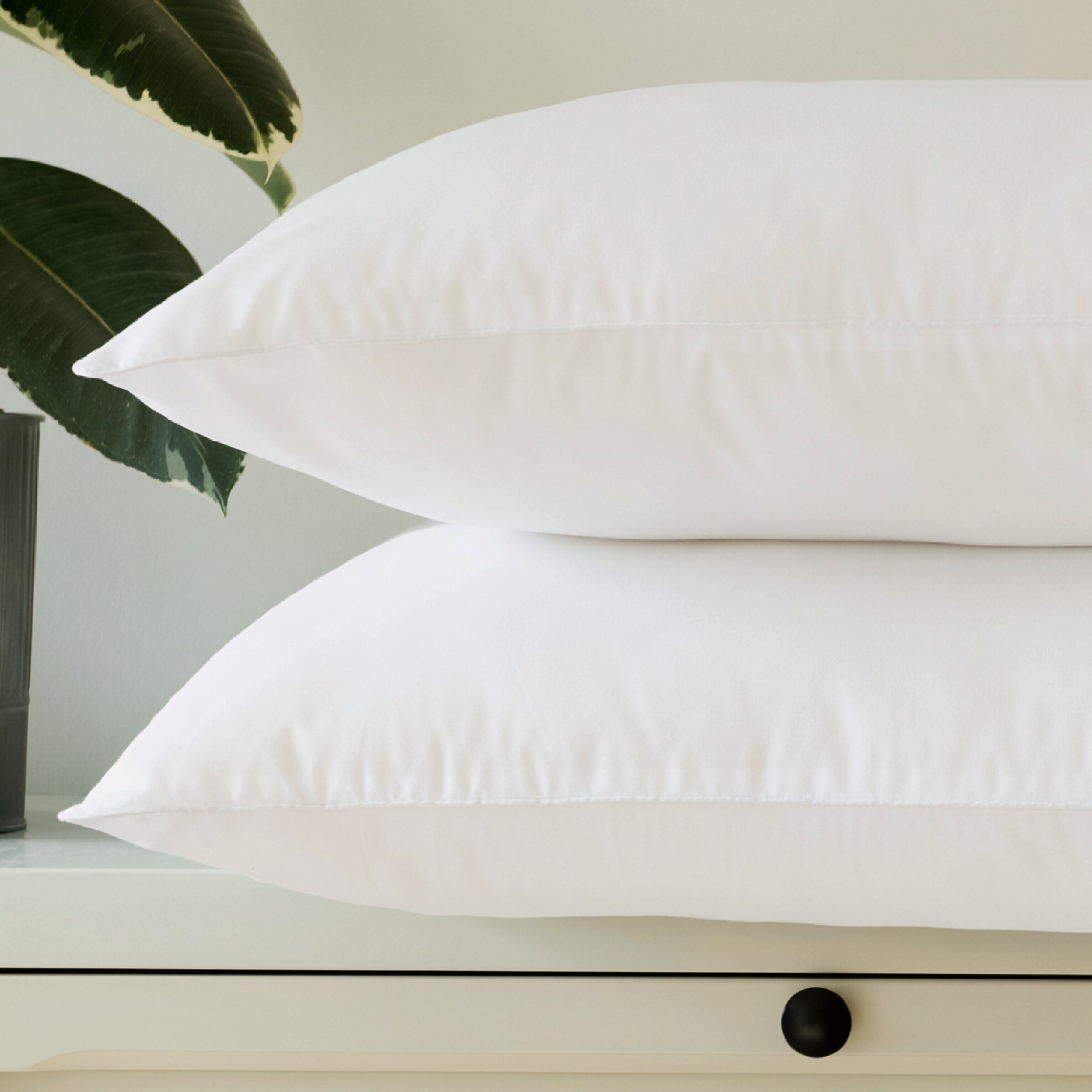
Then it’s onto fills. Some fills are naturally softer than others. Down and feather pillows are especially soft and feel wonderfully warm. Synthetic fill pillows are another fantastic option for soft pillows, with recycled polyester providing a luxurious, comforting pillow that’s easy to care for.
Is it better to sleep on harder or softer pillow?
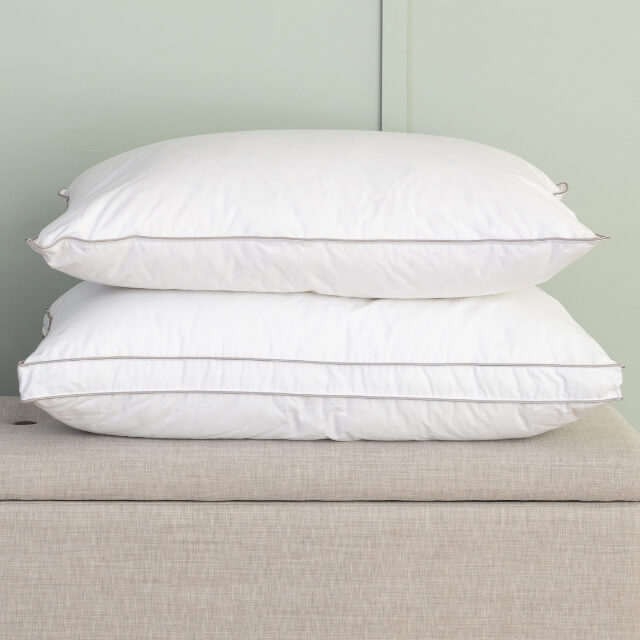
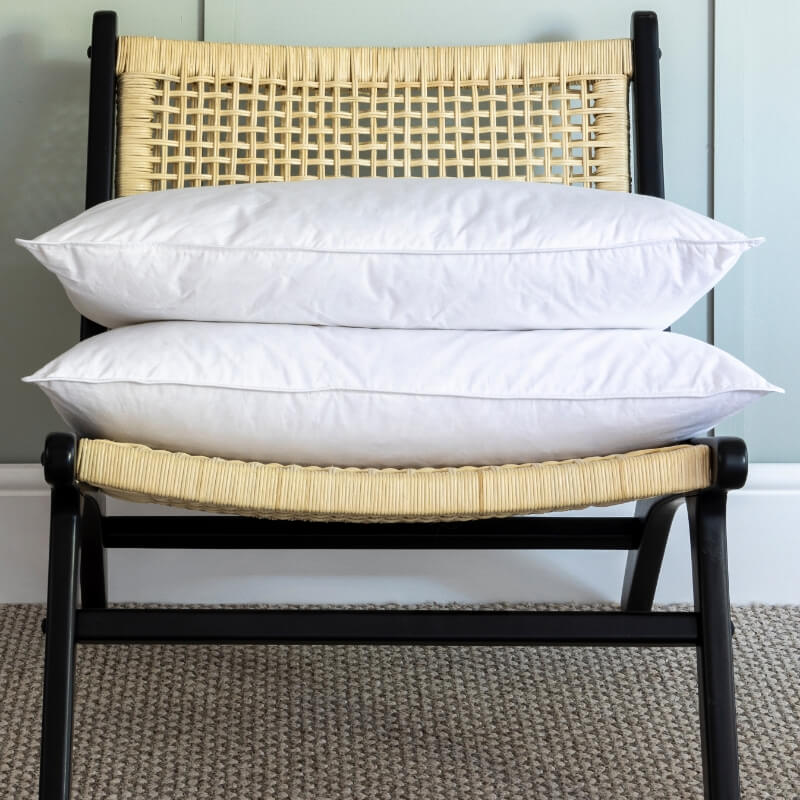
Front sleepers will sleep more comfortably with a flat, soft pillow. That’s because soft pillows allow your head to sink down, aligning it with your spine as you rest. If you are a side or back sleeper, you will find a firmer or deeper pillow to be more comfortable than super soft pillows as these support the weight of your head and ensure a healthy alignment with your spine. If you switch between your front and your back, use two soft pillows so that you can use them both when you’re on your back and discard one when you’re on your front.
How can I make my bed soft like a hotel?
To make your bed as soft as a hotel bed, you will need to invest in soft pillows and bedding. Many hotels use high-quality synthetic super soft pillows, because they are easy to look after, however more luxurious establishments use goose down pillows.
You can enhance your extra soft pillows by using a soft mattress topper to create a luxuriously soft sleeping surface. With both of these in place, add a matching duvet to complement your soft pillows and mattress topper. Finally, enhance the softness of your bedding by using soft cotton or French Linen bed linen.
What kind of pillows stay fluffy?
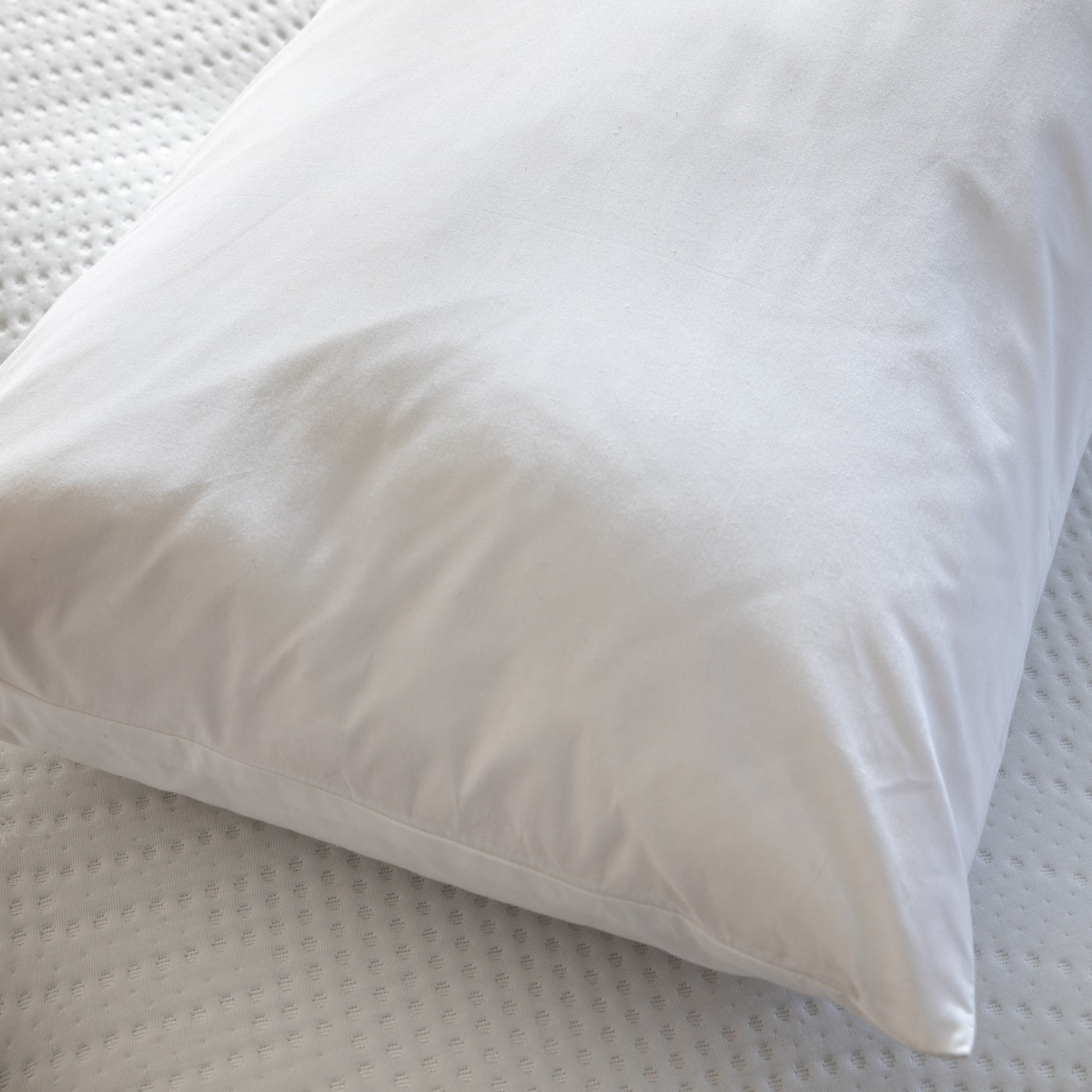
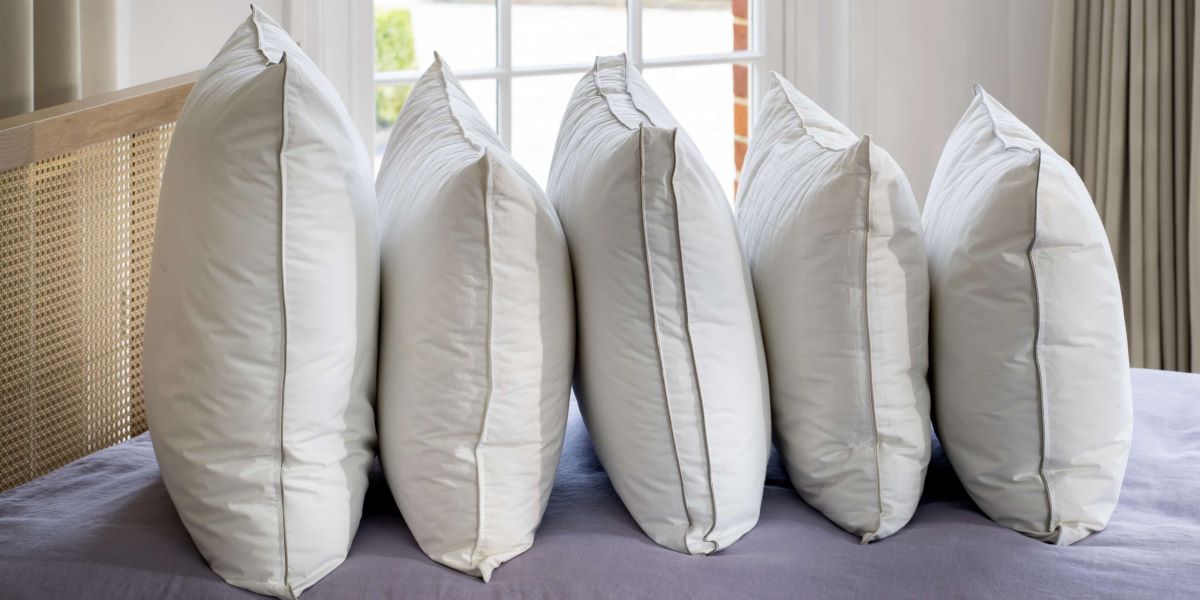
Soft pillows start off feeling fluffy – especially if they’re made with a synthetic or goose down fill. The way in which you look after your pillow affects how fluffy they stay.
To keep your soft pillows feeling fluffy, you should plump them every morning, and pull the covers back on your bed to allow any moisture in your bed to escape. Trapped moisture can cause the fill to clump and lose their fluffiness.
Using a pillow protector is an excellent way of protecting the fill and keeping your super soft pillows feeling fluffy. Regularly washing your pillows and drying them thoroughly will keep your extra soft pillows fluffy too.
What kind of pillow is best for front sleepers?
Front sleepers typically need a soft, low-profile pillow that keeps the head and neck in a more natural position. A pillow that is too high can force the neck upwards, causing discomfort and poor spinal alignment. Front sleeper pillows are specifically designed to provide gentle support without excessive loft.
Are front sleeper pillows suitable for stomach sleepers?
Yes, front sleeper pillows are designed specifically for stomach sleepers. Their lower loft and softer feel help reduce strain on the neck and shoulders while promoting a more comfortable sleeping position throughout the night.
What fillings are available in front sleeper pillows?
Our collection includes a variety of fillings, including feather and down, goose down, microfibre, silk and soft synthetic fibres. Each filling offers a different balance of softness, support and breathability, helping front sleepers find their ideal comfort level.
Can a front sleeper pillow help reduce neck pain?
Choosing the right pillow can make a significant difference to sleep comfort. A low-loft front sleeper pillow helps keep the head, neck and spine aligned, reducing unnecessary pressure that can contribute to morning stiffness and discomfort.
How often should I replace my front sleeper pillow?
Most pillows should be replaced every two to three years, depending on the filling and how frequently they are used. If your pillow has lost its shape, feels flat or no longer provides adequate support, it may be time to replace it.